
GPT-6 Astra arrives with the usual headline: OpenAI’s most capable model yet. The more useful detail is less flattering. It is expensive.
That changes how I think about it. Astra is not a model I would put behind every autocomplete, summary, or support reply. I would use it where a better decision, fewer retries, or one finished workflow can repay the premium.
The question is not whether Astra is smarter. It is where that intelligence compounds.
The price is the first useful signal
For API users, Astra costs $10 per million input tokens and $50 per million output tokens. GPT-5.6 Sol costs $4 and $20. Terra costs $2 and $12.
| Model | Input / 1M | Output / 1M | Context | Best fit |
|---|---|---|---|---|
| GPT-6 Astra | $10 | $50 | 1.05M | Hard end-to-end work |
| GPT-5.6 Sol | $4 | $20 | 1.05M | Complex professional work |
| GPT-5.6 Terra | $2 | $12 | 1.05M | Cost-aware general workloads |
Astra is 2.5 times the token price of Sol. It does not buy a larger context window; both support 1.05 million tokens and up to 128,000 output tokens. The premium is for execution quality, not raw capacity. These figures come from OpenAI’s current model comparison.
That makes “cost per token” a weak buying metric. A cheaper run that needs three retries, two human rescues, and a final rewrite may cost more than one expensive run that lands cleanly.
OpenAI says Astra used fewer output tokens and reached a lower estimated API cost per task in several evaluations, despite its higher rate. That is a vendor result, not an independent guarantee, but it points toward the right unit of measurement: the completed job.
What actually changed
Astra is built for long, multi-step work across code, browsers, research, and professional software. The model supports computer use, web and file search, code execution, MCP, skills, structured outputs, and tool calling through the Responses API.
The more interesting additions are operational. Async tool calls let the model continue useful work while a slow tool runs. Mid-turn steering lets a person correct direction without discarding completed work. Reasoning effort can also change during a conversation while the stable prompt prefix remains cacheable.
Those features matter more than another impressive chat answer. They reduce the friction of giving an agent a real job, watching it work, and changing course without starting again. OpenAI documents the behaviour and limitations in its Astra model guidance.
My take: give Astra bigger units of work
Most teams still give strong models small tasks: write a function, summarise a PDF, or produce ten ideas. Astra looks better suited to a wider boundary.
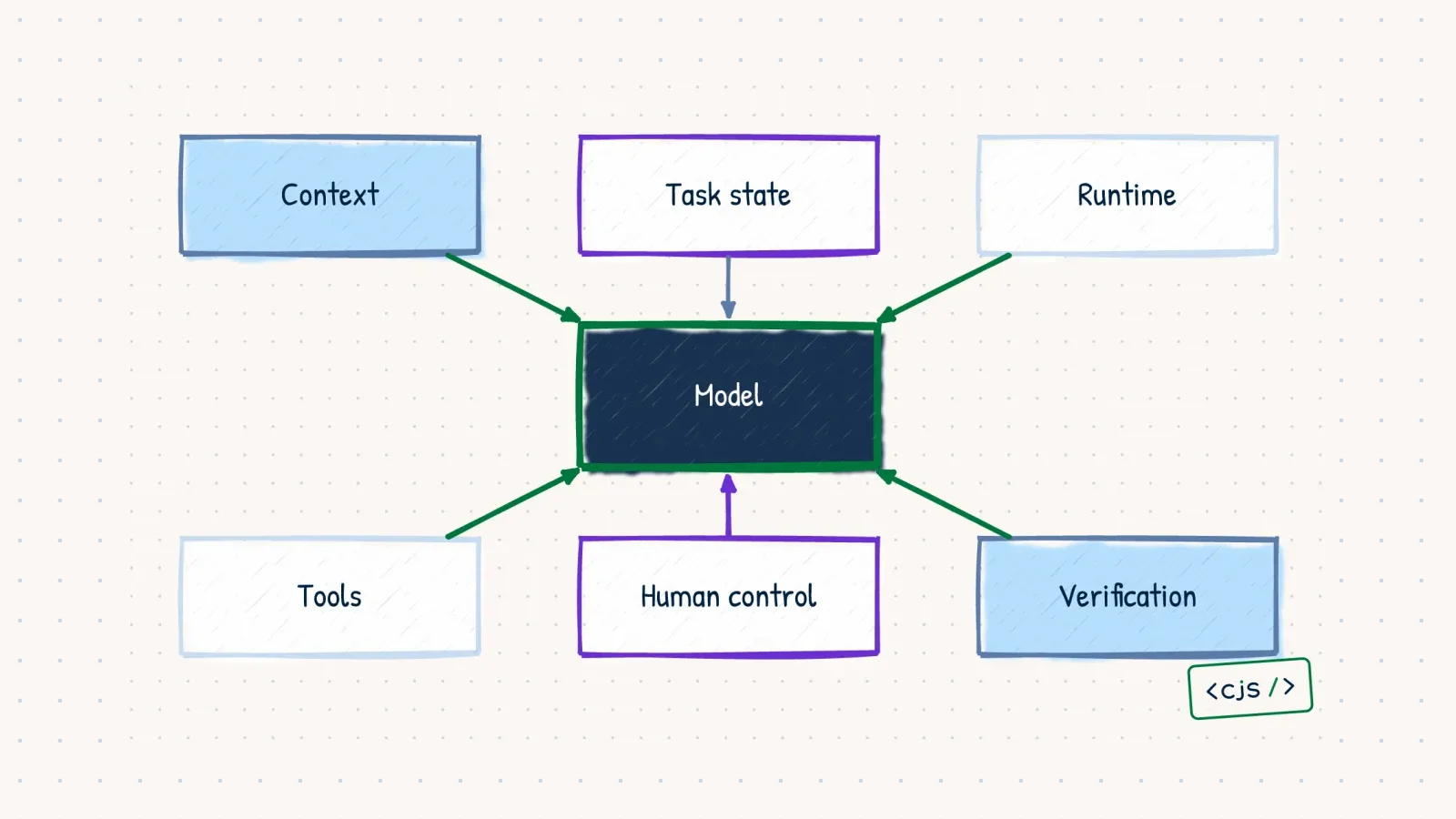
Give it the research question, source rules, spreadsheet template, final brief, and acceptance criteria. Give it the repository, the failing flow, the browser, and the tests. Let it carry context across the whole outcome.
This does not mean removing human control. It means moving the checkpoint. Review the plan before consequential actions and review the deliverable at the end, rather than supervising every small step.
For a US or UK product team, that could mean turning customer interviews, support tickets, and product data into a decision memo. For an agency, it could mean researching a client, drafting the campaign assets, and checking the final site. The value comes from fewer handoffs.
Measure one completed job
I would test Astra on 10 to 20 representative tasks before changing a production workflow. Run the same tasks with Sol or Terra and keep the human process as the baseline.
Measure five things:
- total model and tool cost;
- time from request to accepted result;
- number of retries;
- number of human interventions;
- defects found during review.
A simple internal measure is:
Cost per accepted result = model cost + tool cost + review time + rework time.
Also record the completion rate without rescue. That number often explains more than a benchmark score. If Astra costs 2.5 times more per token but cuts intervention and rework by more than half, it may be the cheaper system. If the result still needs the same review and correction, use the smaller model.
How I would get more from Astra
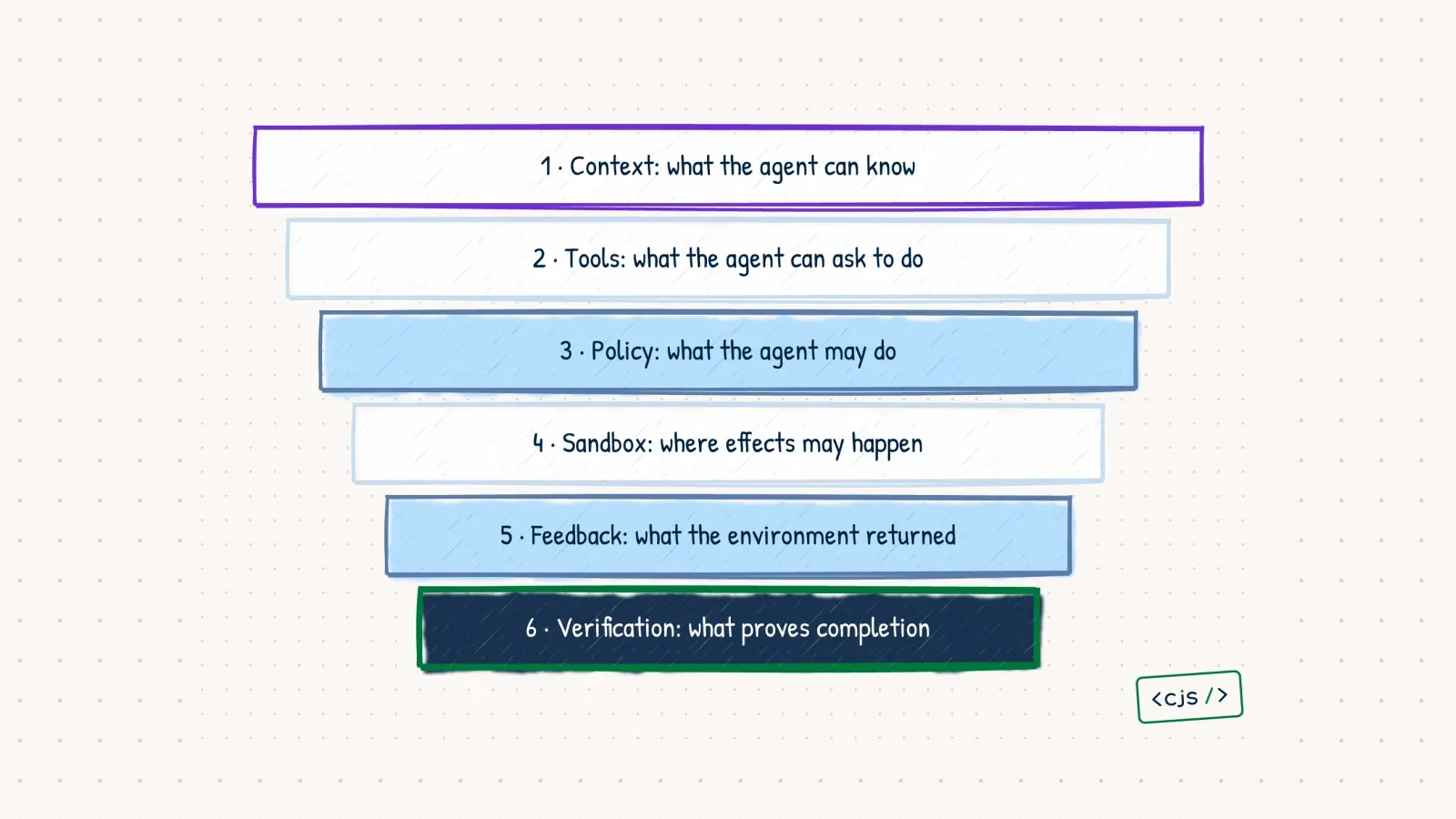
First, state the outcome and the boundary. Include the files, tools, permissions, constraints, and definition of done. Astra follows detailed instructions well, but OpenAI also notes that it is sensitive to conflicting guidance in skills and files such as AGENTS.md. Clean context is part of model performance.
Second, choose reasoning effort by task. Use low for routine work and raise it only when the decision is hard enough to justify more latency and tokens. Astra supports low, medium, high, xhigh, and max; it does not support none.
Third, use the Responses API for tool-heavy work. Async calls and mid-turn steering are useful only when the surrounding application can preserve state, surface progress, and accept corrections safely.
Fourth, keep stable instructions at the front so prompt caching can help. When changing reasoning during a conversation, OpenAI recommends a configuration_update item instead of rewriting the request-level configuration.
Finally, create a routing rule. Use Terra for volume, Sol for difficult but bounded work, and Astra for jobs where coherence across many steps has measurable value. Do not make the most expensive model the default because it is new.
The limit is still trust
Astra’s stronger computer use makes permissions more important, not less. A capable agent with a vague brief can complete the wrong job faster.
Keep approval gates for money, customer data, production changes, security-sensitive actions, and external communication. Log tool calls and preserve the evidence behind important conclusions. Better reasoning does not replace accountability.
My short version is simple: buy Astra for finished work, not impressive turns. Start with the hardest workflow you can measure, compare it against Sol and your current human process, and keep it only where the total cost falls or the result clearly improves.
Sources
- GPT-6 Astra model — pricing, context and output limits, reasoning levels, supported tools and endpoints. Accessed 2026-09-05.
- Compare OpenAI models — Astra, GPT-5.6 Sol, and GPT-5.6 Terra positioning and API prices. Accessed 2026-09-05.
- Model guidance: GPT-6 Astra — async tool calling, mid-turn steering, prompt caching, instruction sensitivity, and reported cost-per-task behaviour. Accessed 2026-09-05.