
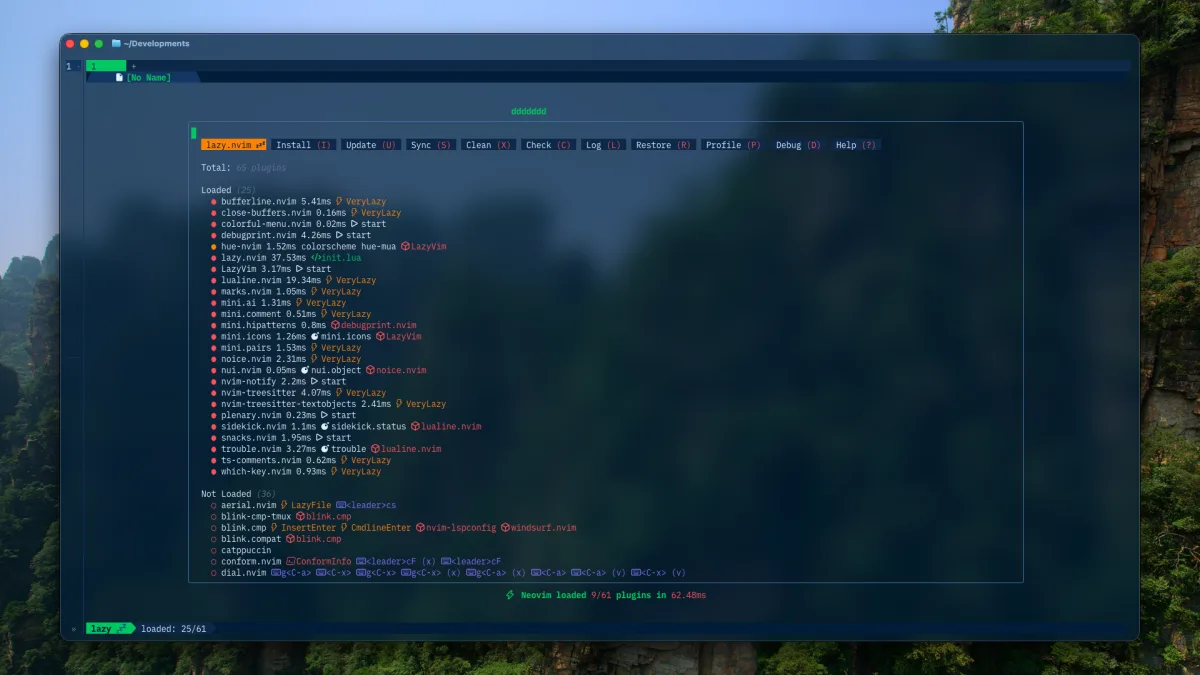
Keeping a LazyVim Configuration Personal and Maintainable
A maintainable way to customize LazyVim with small overrides, language profiles, a shared theme, and version-controlled decisions.
Archive
A maintainable way to customize LazyVim with small overrides, language profiles, a shared theme, and version-controlled decisions.

JSON-serializable rules trade arbitrary code for portability, auditability, and safer boundaries—if activation is treated like a release.
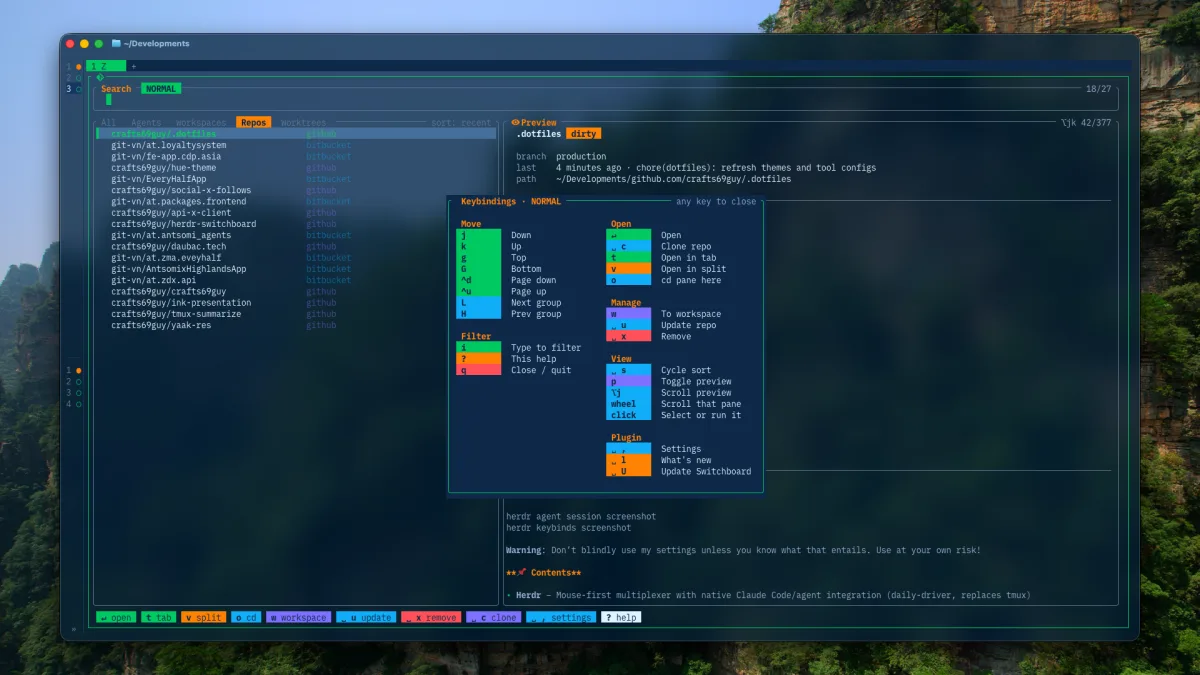
A practical dotfiles workflow with Git and GNU Stow, including safe adoption, host-specific state, updates, and rollback.

A calm introduction to Neovim: what it is, what to learn first, and how to avoid turning configuration into a second job.

Build a focused LazyVim environment for TypeScript work with explicit language tooling, formatting, and reproducible configuration.

A practical introduction to treating changing business decisions as data without turning your application into a configuration maze.

A small, repeatable refactoring for turning tangled access checks into named rules with explicit inputs and focused tests.